
Paintless Dent Repair in McKinney Texas
Dentcraft of Texas repairs dents and hail damage without repainting. You keep your factory finish and get a clean result you can feel good about.
15 Years in business
Licensed and insured
Insurance claim help
In-shop repairs in McKinney
Hail Damage
Fast, paintless dent removal for hail-damaged panels—special tools restore metal shape and preserve factory finish.
Door Dings
Door-ding repair quickly removes creases and dings without paint, preserving value and avoiding expensive bodywork.
Mobile Service
Mobile team arrives at your location with full tools to complete paintless dent repairs quickly and without delays.
What we fix
Your local PDR shop in McKinney
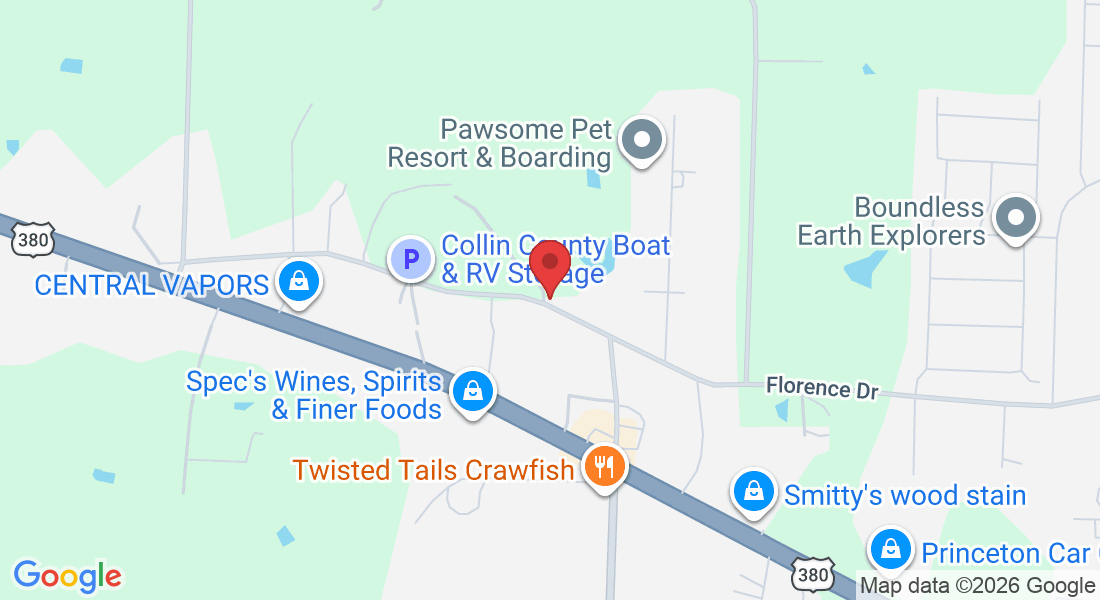
Dentcraft of Texas is based in McKinney. We provide in-shop PDR for drivers, hail claims, and commercial accounts. If you want careful work and simple communication, you’re in the right place.
What to Expect?
Call or Complete online form
Schedule an in-shop inspection
We inspect and explain options
Repair and final review at pickup
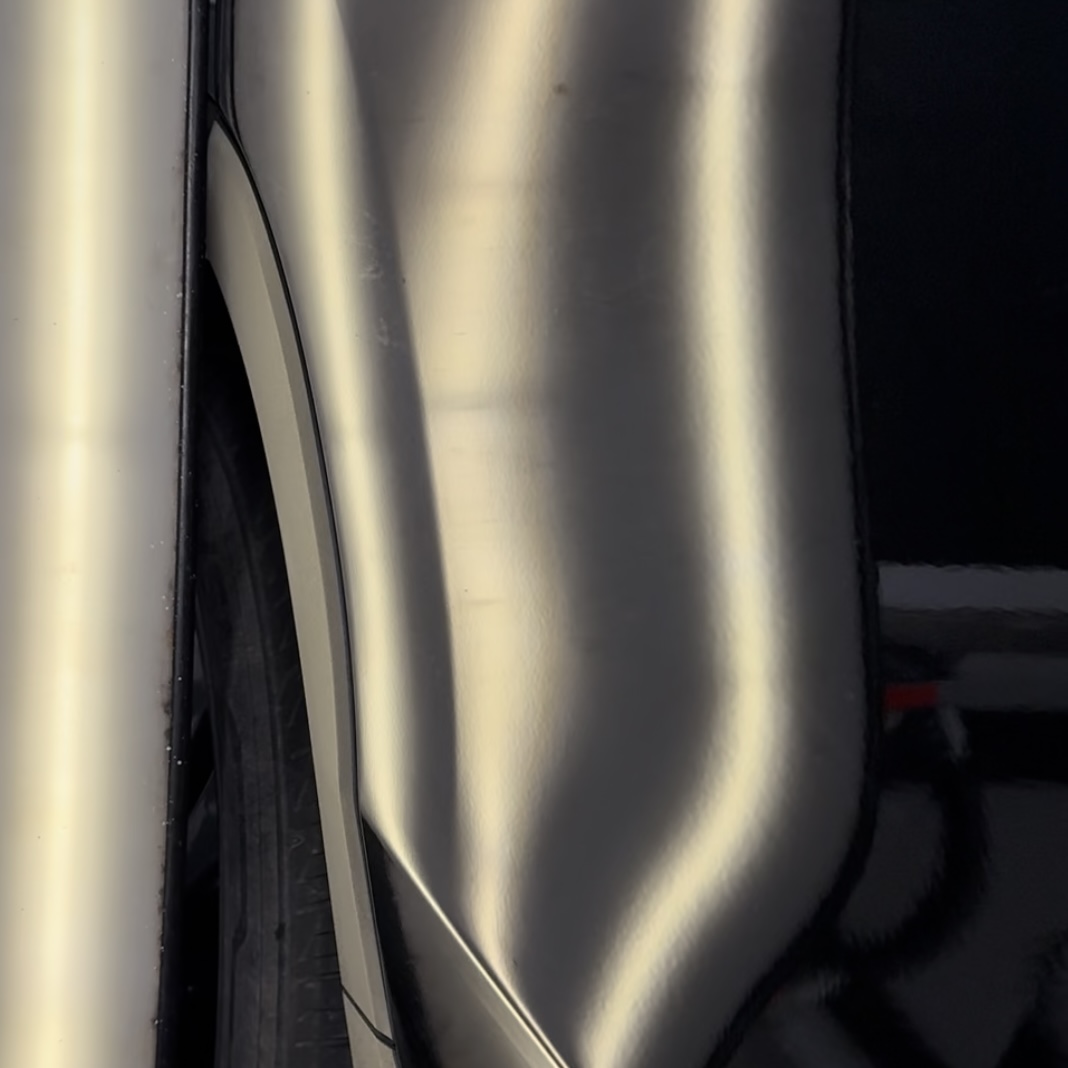
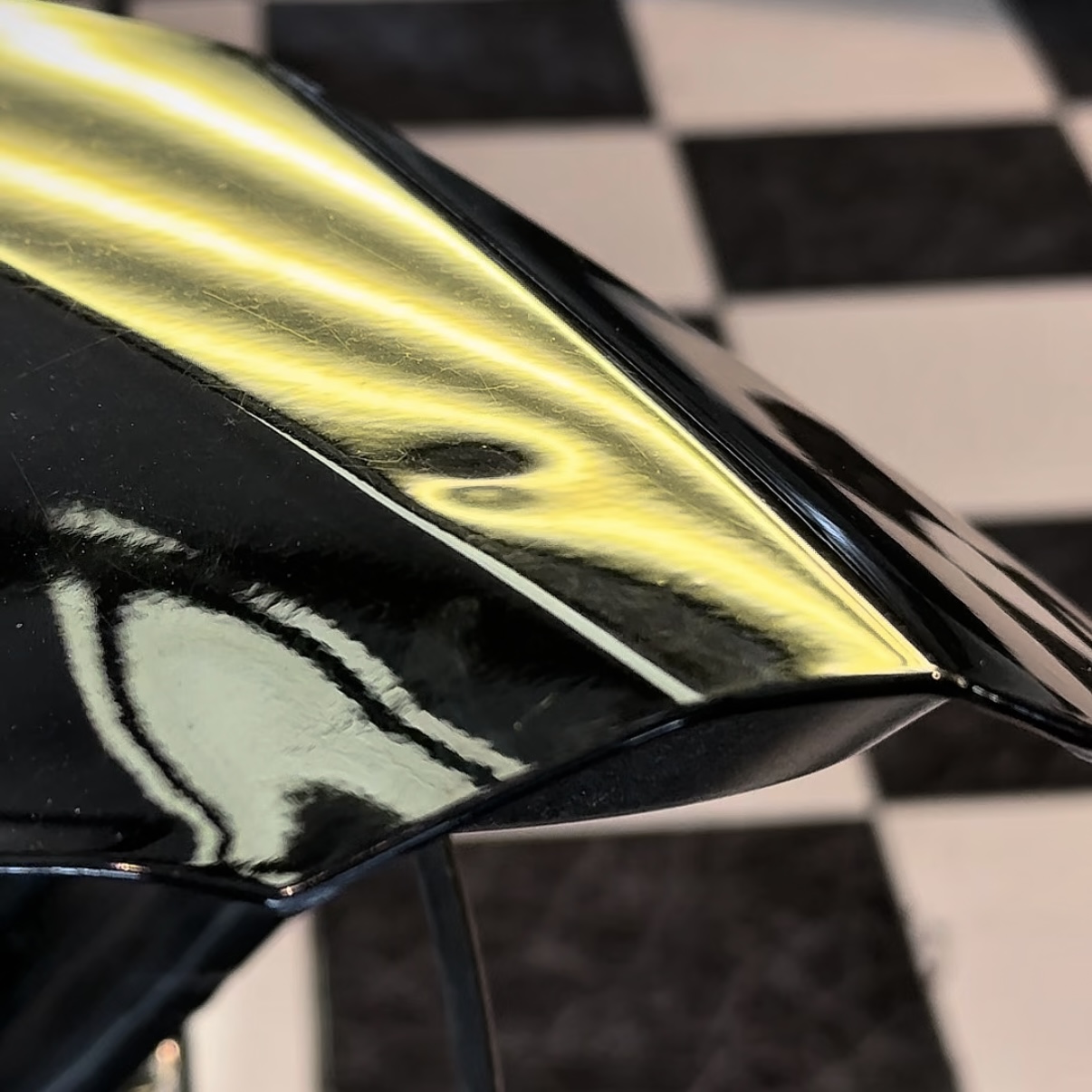
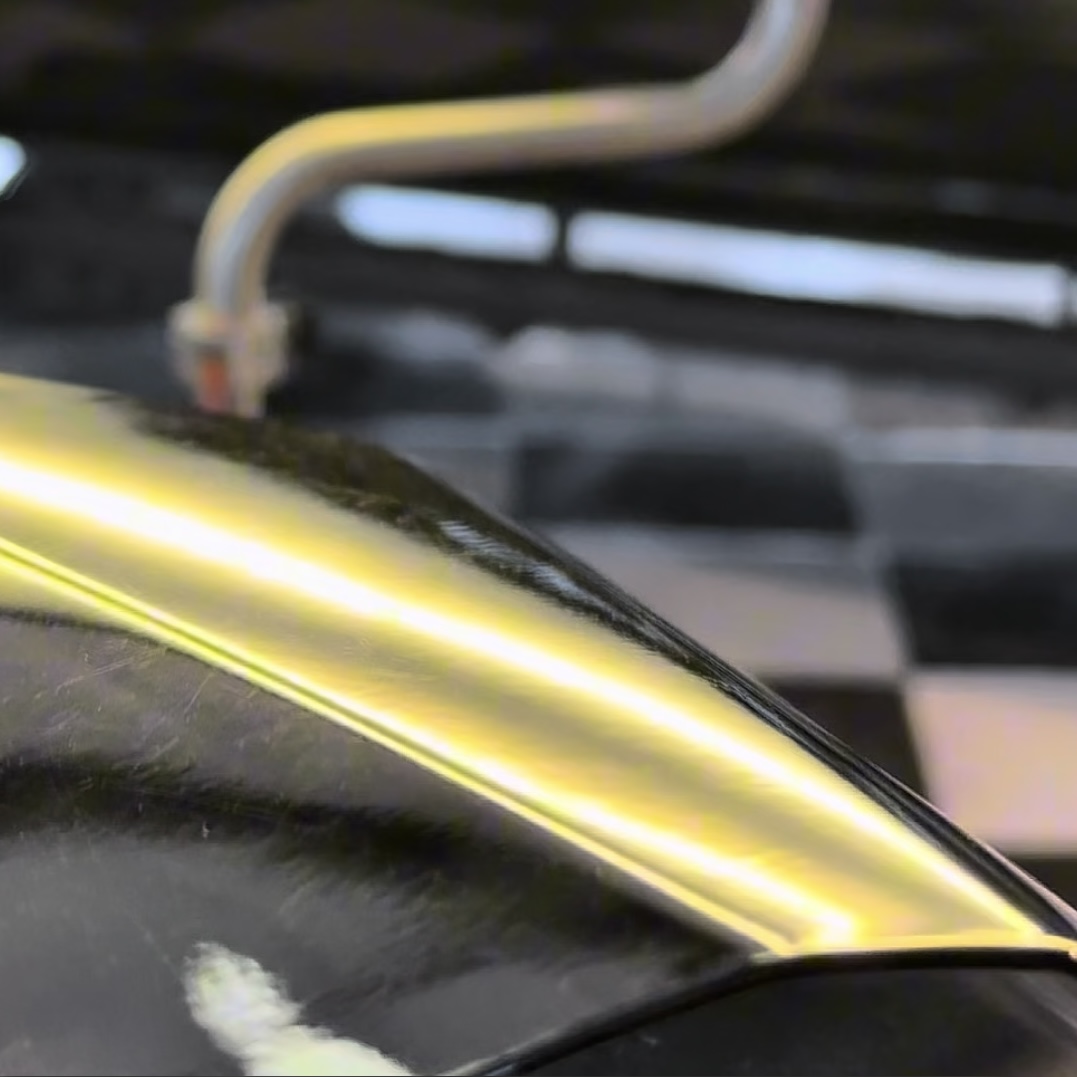
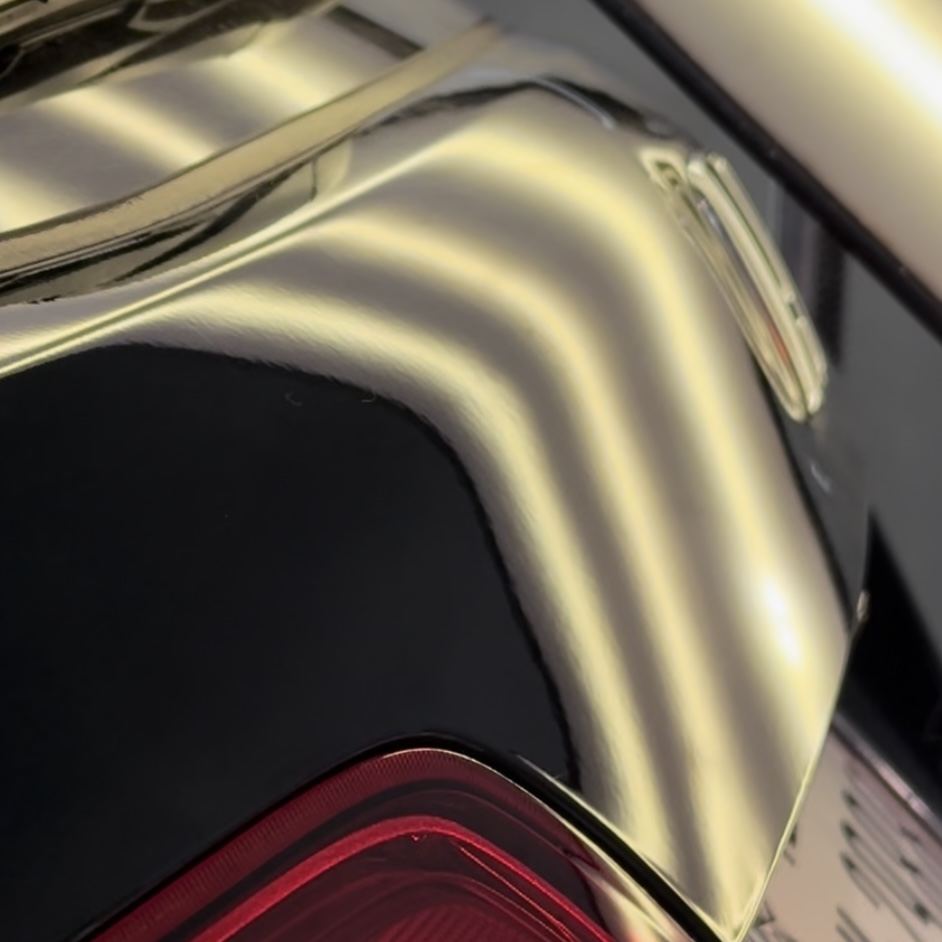
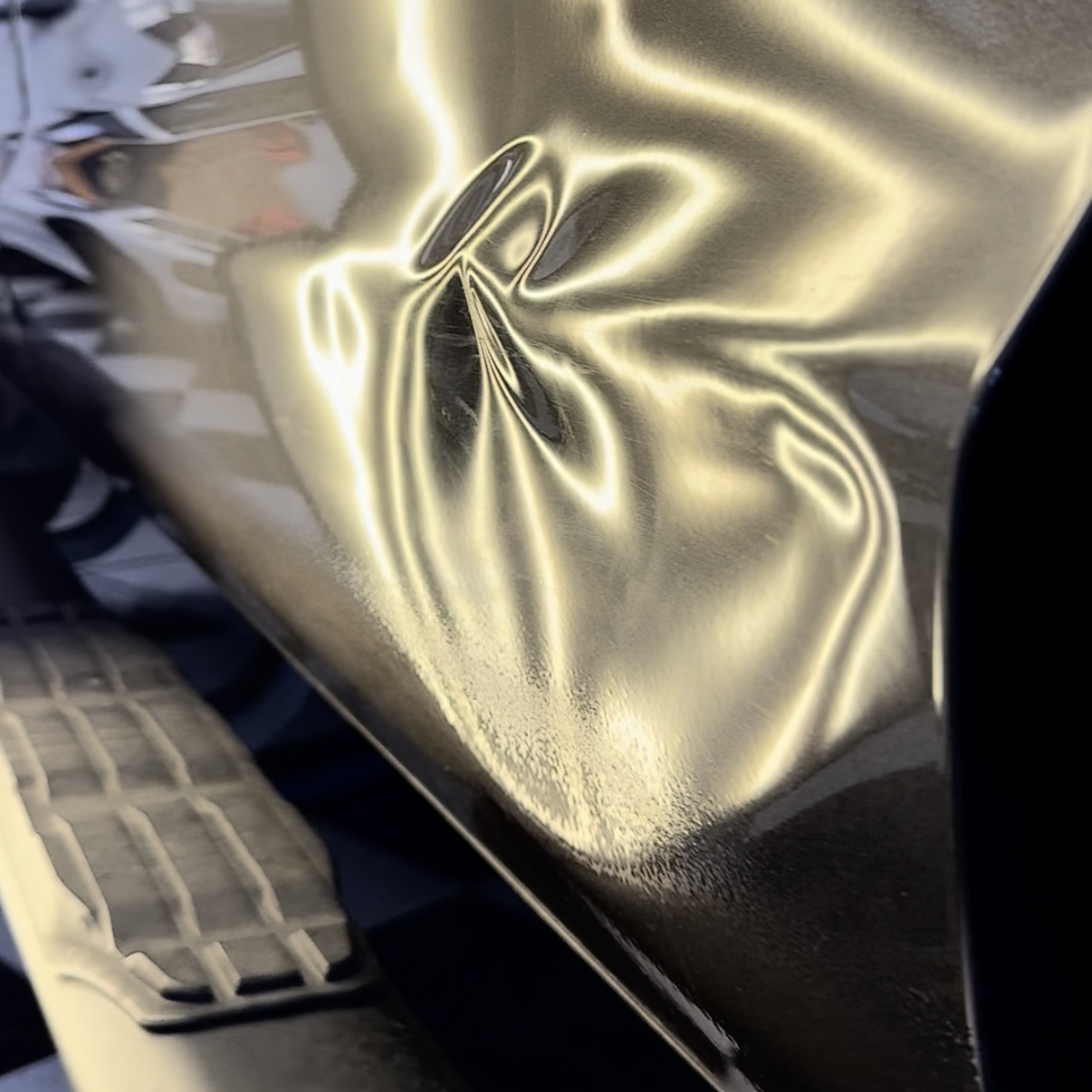
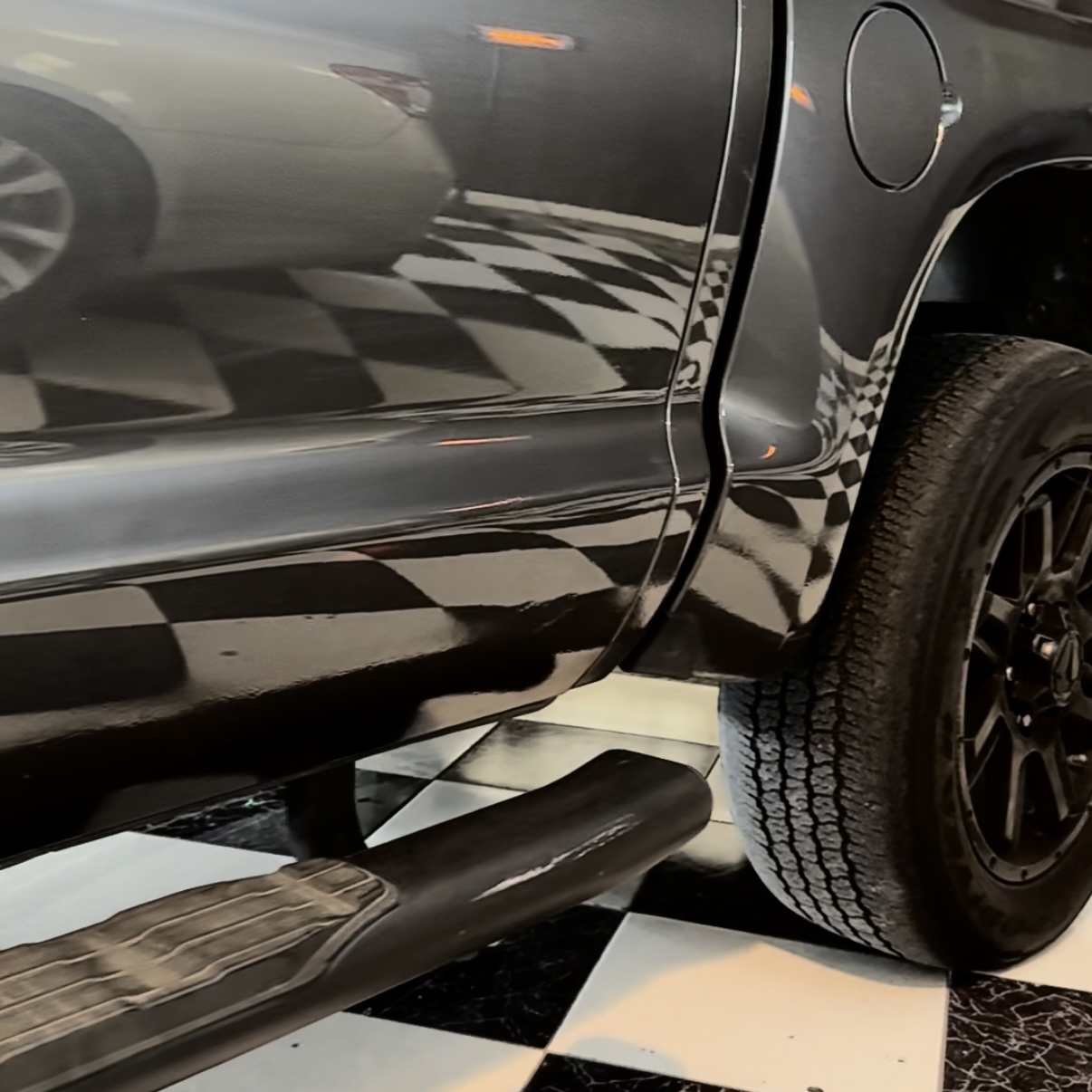
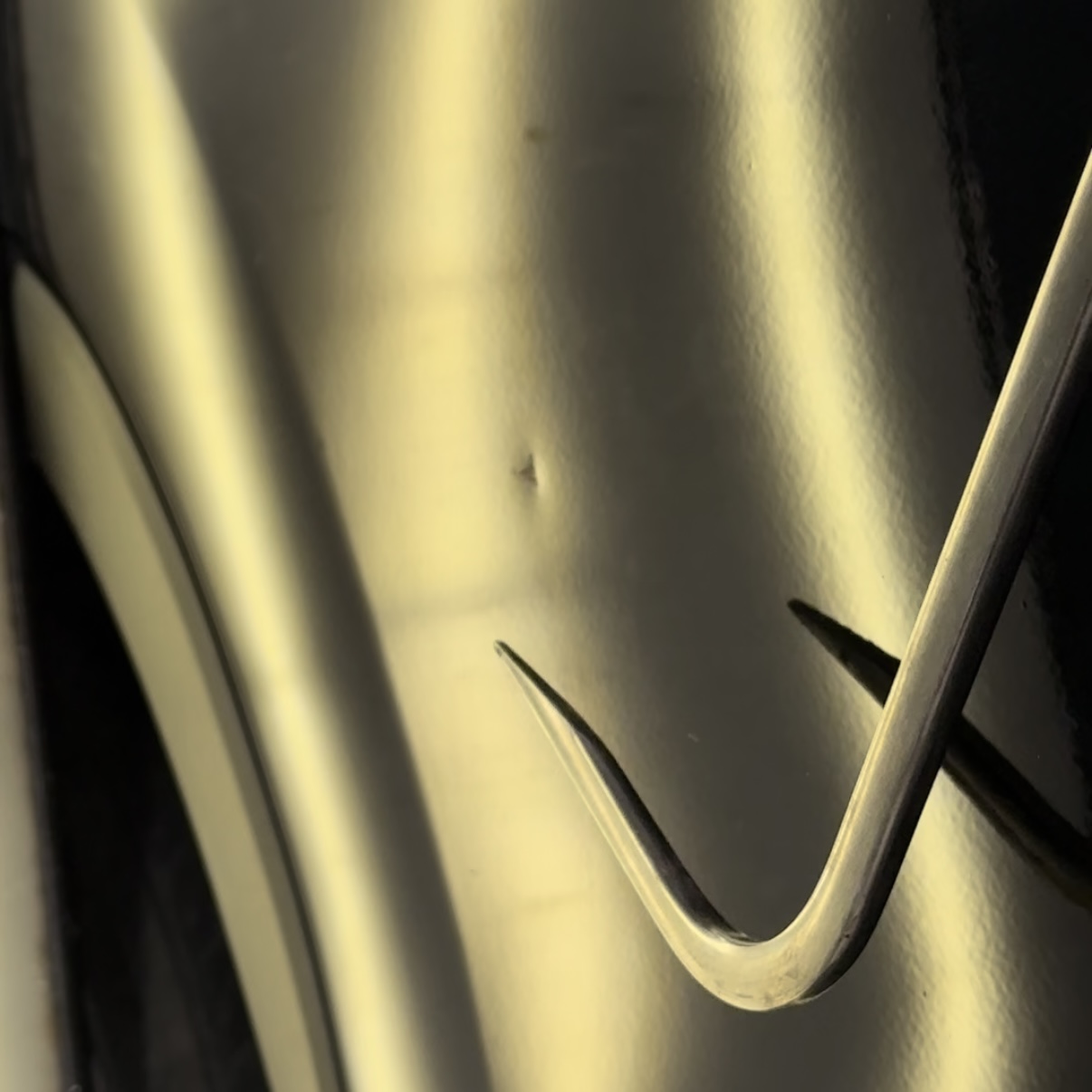
STILL HAVE QUESTIONS?
Frequently Asked Questions
How Does PDR Work?
The Paintless Dent Repair process begins with a thorough assessment of the damage, allowing technicians to determine the best approach for accessing the dent. Using specially designed tools, they carefully manipulate the metal from behind the panel, pushing it back into its original shape. This method of repair preserves the vehicle’s factory finish, ensuring that the repair is virtually undetectable once completed.
One of the key advantages of PDR is its efficiency; many repairs can be completed in a matter of hours, depending on the extent of the damage. Additionally, since it does not require repainting, there is no risk of color mismatching, which is a common concern with traditional repair methods. PDR is particularly effective for hail damage, door dings, and minor creases, making it a popular choice among vehicle owners.
What Types of Dents Can Be Repaired?
When it comes to dents that can be effectively repaired using paintless dent repair techniques, the size and depth of the dent play crucial roles. Generally, small to medium-sized dents that are not deeper than the paint layer can be repaired without compromising the vehicle’s finish. Common dents caused by hail, minor door dings, or even small collisions often fall into this category. The key is that the paint on the affected area remains intact; if the paint has cracked or chipped, alternative repair methods might be necessary to restore the vehicle’s appearance.
Another important factor is the location of the dent. Areas that are easily accessible from behind, such as hoods, roofs, fenders, and doors, lend themselves well to paintless repair methods. Conversely, dents located on complex curves or edges of the vehicle may be challenging to repair without additional PDR techniques. Ultimately, a qualified technician can assess the damage and determine whether paintless dent repair is a suitable option, ensuring the best possible outcome for the vehicle’s appearance.
What is the Cost of Paintless Dent Repair Services?
When considering paintless dent repair, it’s essential to understand that costs can vary significantly based on several factors. The size and location of the dent are primary determinants; larger dents or those situated in hard-to-reach areas may incur higher repair fees. Additionally, the type of vehicle can influence the price, as some makes and models may have more complex body lines that require specialized techniques.
On average, customers can expect to pay anywhere from $99 to $325 per dent, but more extensive damage could lead to higher costs.
It’s also worth noting that paintless dent repair is often more affordable than conventional dent repair, primarily because it eliminates the need for repainting or extensive labor. Many service providers will offer free estimates, so it’s advisable to consult with multiple professionals to get a sense of the going rate in your area.
Paintless Dent Repair Cost for Minor Dings and Dents
Paintless Dent Repair costs for minor dings and dents typically range from $99 to $325, depending on the size and location of the damage. Factors such as the complexity of the repair, the vehicle’s make and model, and the repair PDR shop’s location can also influence pricing. For larger or more complex dents, costs may increase, potentially reaching between $300 – $1000 or more. It’s advisable to get quotes from multiple PDR specialists for the best service and a fair price.
Cost of Paintless Dent Repair for Hail Damage Dents
The cost of paintless dent repair for hail damage typically ranges from $3,000 to $8,000 depending on factors like the number of dents, their size, and the severity of the damage. Filing a hail insurance claim may offset some costs, so it’s advisable to consult your insurance provider and get quotes from a PDR specialist to find the best service.
What Are The Advantages of Paintless Dent Repair?
One significant advantage of this dent repair method is its efficiency; the process typically takes much less time compared to conventional body repair, often allowing for same-day service. This means less inconvenience for car owners who can quickly get back on the road without lengthy wait times. Additionally, because it does not require the use of paint or filler, it preserves the vehicle’s original finish, ensuring that the car retains its value and aesthetic appeal.
Paintless dent repair is an environmentally friendly option, as it minimizes waste associated with paint and chemicals typically used in conventional repairs. This method also tends to be more cost-effective, making it an attractive choice for those looking to restore their vehicle without breaking the bank. Overall, the combination of speed, preservation of the original paint, and cost savings make this repair technique a preferred option for many vehicle owners facing minor dents and dings.
Speed of PDR Repairs
The advantage of Paintless Dent Repair (PDR) is its efficiency and speed. Since PDR involves removing dents without the need for repainting or extensive bodywork, repairs can often be completed within hours rather than days. This quick process minimizes vehicle downtime, allowing owners to get back on the road swiftly. PDR typically requires fewer materials and less labor, further accelerating the repair timeline while maintaining the vehicle’s original factory finish. Overall, PDR offers a rapid and cost-effective solution for minor dents and dings.
Cost-Effectiveness of PDR
PDR is often considered cost-effective compared to traditional dent repair methods. It typically requires less time and labor, resulting in lower parts and labor costs. Additionally, PDR preserves the original paint, avoiding the need for repainting, which can be expensive. Many insurance companies favor PDR for minor dents, further reducing out-of-pocket expenses for customers. Overall, PDR can save vehicle owners money while maintaining the integrity and appearance of their cars.
How Long Does Paintless Dent Repair Take?
The duration of paintless dent repair can vary based on several factors, including the size, location, and severity of the dent. Generally, minor dents and dings can often be repaired in as little as 30 minutes to an hour. However, larger or more complex dents may take a few hours to restore fully. It’s also important to consider the technician’s skill level and the specific techniques used, as experienced professionals may achieve faster turnaround times without compromising the quality of the repair.
In some cases, if a vehicle has multiple dents from hail or if the damage is located in a challenging area, the repair process could extend to a full day or several days. Ultimately, getting an accurate estimate from a qualified technician is the best way to understand how long the repair will take for your specific situation. This way, you can plan accordingly and ensure a seamless experience while having your vehicle restored to its original condition.
Is Paintless Dent Repair Safe?
When considering the safety of paintless dent repair, it’s important to note that this method is designed to preserve the integrity of your vehicle’s original paintwork while effectively removing dents without traditional body shop repairs. Skilled technicians use specialized tools to massage the dent from behind the panel, which minimizes the risk of damage to the vehicle’s exterior. This method is particularly beneficial for maintaining the vehicle’s value, as it avoids the need for repainting, which can sometimes lead to mismatched colors or finish issues.
Paintless dent repair is considered environmentally friendly, as it does not involve the use of harmful chemicals associated with traditional auto body repair processes. The technique is suitable for various types of dents, including those caused by hail or minor collisions, as long as the paint is intact and there is no significant damage to the underlying structure. Overall, when performed by an experienced professional, paintless dent repair is a safe and effective way to restore your vehicle’s appearance without compromising its original finish.
Will the Original Factory Paint Be Damaged During PDR?
One of the most common concerns regarding paintless dent repair (PDR) is whether the original paint will be damaged during the process. Fortunately, when performed by experienced technicians, PDR is designed to preserve the vehicle’s factory finish. The technique involves using specialized tools to gently massage the metal back into its original shape from behind the panel, which minimizes any risk to the paint.
However, it is crucial to acknowledge that the success of PDR largely depends on the condition of the vehicle’s paint and the location of the damage. If the paint is already compromised, such as being chipped or cracked, there may be a higher risk of further damage during the repair process. To ensure the best outcome, it is advisable to consult with the experienced PDR technicians at Excel Dent Removal who can assess the specific situation and determine the most suitable approach for maintaining the integrity of the original paint.
What is the Long-Term Durability of PDR Repairs?
The long-term durability of paintless dent repair (PDR) is a critical consideration for vehicle owners looking to restore their cars to pristine condition. PDR techniques focus on gently massaging the metal back to its original form without compromising the factory paint, which preserves the vehicle’s finish and structural integrity. As a result, when performed by a skilled technician, PDR repairs can be nearly undetectable and maintain their durability over time. Unlike traditional body repair methods that often involve filling and repainting, PDR minimizes the risk of paint mismatches and deterioration, ensuring that the repaired area remains seamless for years to come.
The effectiveness of PDR in maintaining the vehicle’s value cannot be overstated. Since the original paint is left intact, the car’s resale value is less likely to be affected by repairs, allowing owners to enjoy peace of mind knowing their investment is well-preserved. With proper care and maintenance, PDR repairs can withstand everyday wear and tear, proving to be a long-lasting solution for minor dents and dings. Ultimately, the combination of expert execution and the preservation of the original finish makes paintless dent repair a reliable choice for those seeking enduring results.
Will My Dents Come Back?
Dents repaired using Professional Paintless Dent Repair do not return if the process is done correctly. PDR involves carefully massaging the metal back to its original shape without damaging the paint. However, if the area experiences new impact, it can develop new dents.
What Impact Does PDR Have on Vehicle Value?
The impact of Paintless Dent Repair (PDR) on vehicle value is significant, primarily because this method preserves the original factory finish and structural integrity of the vehicle. Traditional repair methods often require paint and bodywork, which can diminish the car’s resale value due to mismatched paint, potential rust, or other concerns.
PDR, on the other hand, allows for the repair of dents and dings without compromising the vehicle’s original paint, thus maintaining its aesthetic appeal and overall worth. As potential buyers often prioritize a vehicle’s condition, opting for PDR can make a significant difference in how the car is perceived in the market.
Vehicles that feature PDR repairs are often considered more desirable, which can lead to a quicker sale and higher selling price. Buyers appreciate the transparency and quality that come with a PDR approach, as it minimizes the risk of hidden damage often associated with more invasive repair methods. By demonstrating thorough and careful maintenance, owners can ensure their vehicles retain their value over time, making PDR a prudent investment for anyone looking to uphold the worth of their automobile.
Is PDR Covered By Insurance?
Paintless Dent Repair (PDR) may be covered by insurance, depending on your policy. Many comprehensive coverage or auto collision insurance plans include PDR for dings from hail or accidents. However, coverage can vary by provider and specific terms of the policy. It’s essential to check with your insurance company to confirm if PDR is included and whether a deductible applies.
Additionally, some insurance plans may require you to use a preferred repair shop. Always review your policy details for clarity on coverage options.
How PDR Affects Resale Value
PDR can positively affect a vehicle’s resale value by restoring its original appearance without compromising the car’s factory paint finish. By removing dents and dings efficiently, PDR helps maintain the car’s aesthetic appeal and structural integrity, making it more attractive to potential buyers. Since PDR is often less expensive than an auto body shop and does not involve repainting, it can be a cost-effective way to enhance resale value. Overall, a well-maintained vehicle exterior can lead to higher offers and faster sales in the competitive used car market.


© 2026 Dentcraft of Texas. All rights reserved.